Can Friction-Maxxing Help Manage Anxiety?
Sometimes, we all want a quick fix. A task ticked off our list in seconds. A gourmet meal presented to us. An automatic alert or reminder. Every time I order takeout, groceries, or medication delivered to my home with a single tap, I’m luxuriating in outsourced convenience. Technological ease is a dopamine-fueled relief and, when relied on consistently, a slippery slope.* In attempting to reduce stress, I’m often eliminating the opportunity for experience.
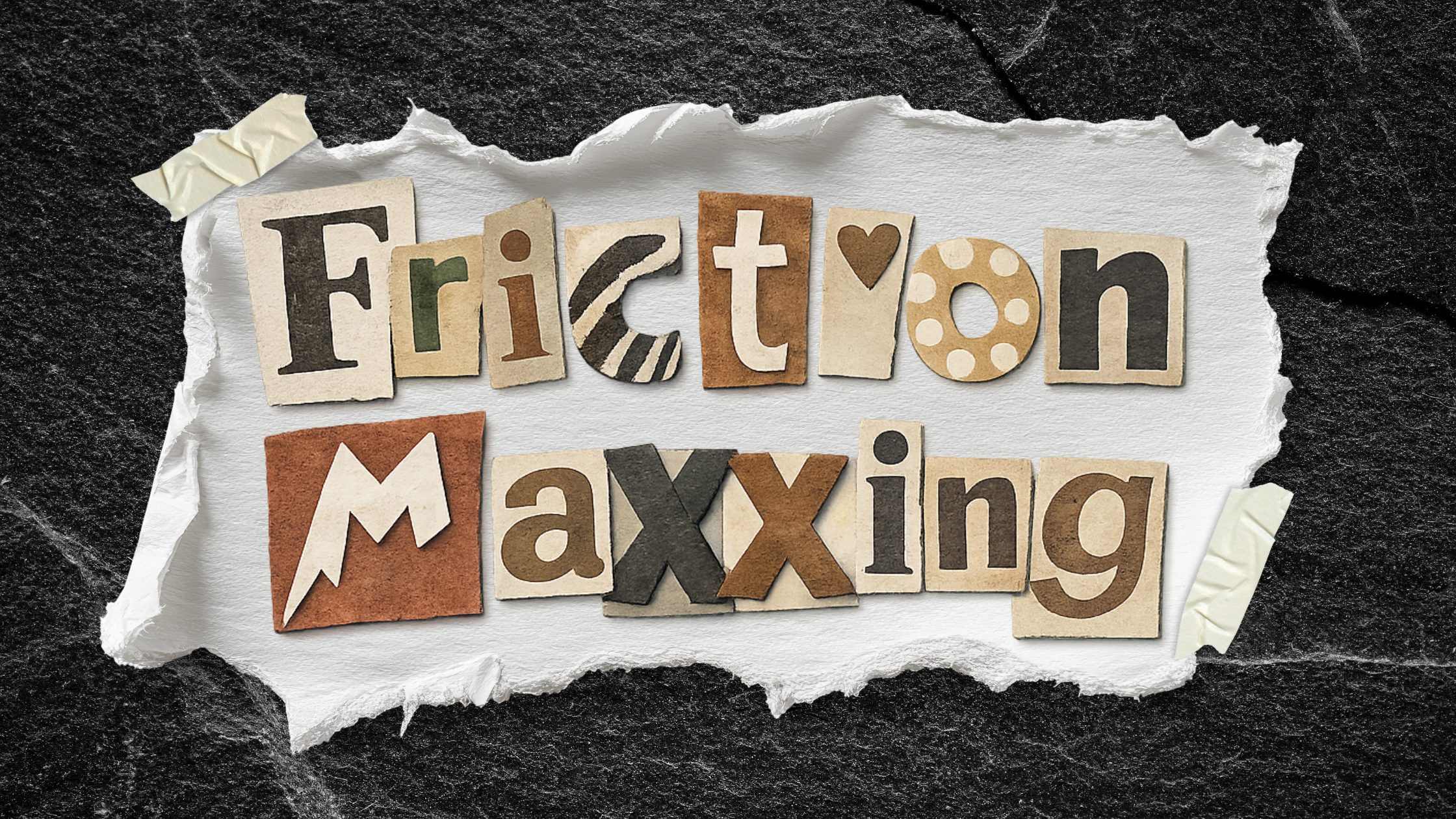
Growing distaste for the “flattening” effect of instant gratification has pushed some folks to embrace more analog ways of navigating the world. Many are leaning into the “harder” way of doing things and embracing humanness in the resulting friction. For those seeking to distance themselves from the disillusionment of convenience, “friction-maxxing” has brought a deeper sense of satisfaction back into everyday life.
The concept of building tolerance for discomfort is something that I frequently rely on in my professional work treating Obsessive Compulsive Disorder (OCD). As an NYC-based therapist specializing in OCD and anxiety, I think often about the clinical consequences of overindexing technological convenience and ease. When every discomfort-inducing task can be optimized away, how can we maintain our ability to cope with anxiety and distress?
I want to explore here how a new-age cultural term like “friction-maxxing” is rooted in one of the modalities that I use most often in treating anxiety and OCD: Exposure and Response Prevention (ERP).
When every discomfort-inducing task can be optimized away, how can we maintain our ability to cope with anxiety and distress?
What is Friction-Maxxing?
Friction-maxxing is a reactionary reproach of technological ease. Coined in January 2026 by writer Kathryn Jezer-Morton in an article for The Cut, friction-maxxing is “deliberately adding difficulty to build resilience, focus, and real satisfaction.” More than just “film over digital”, this concept advocates for the healthy incorporation of challenge in daily life that often prioritize interaction, develop important skills, or rely on originality.
More examples include: calling a friend for their whereabouts instead of checking their shared location, preparing ingredients and cooking food from scratch, making a birthday card by hand instead of buying one.
Friction-maxxing presents itself as a way to achieve satisfaction and well-being in a time when technology-induced depression, anxiety and mood disorders are rampant.
Creating more friction or difficulty in your task, and then being able to tolerate, succeed, or benefit from these experiences, is spiritually aligned with the theoretical crux of ERP.
What is Exposure and Response Prevention (ERP)?
Similar to friction-maxxing, ERP relies on consciously choosing a path with greater resistance for the specific purpose of building distress tolerance, and ultimately distress reduction, for things of which you are afraid.
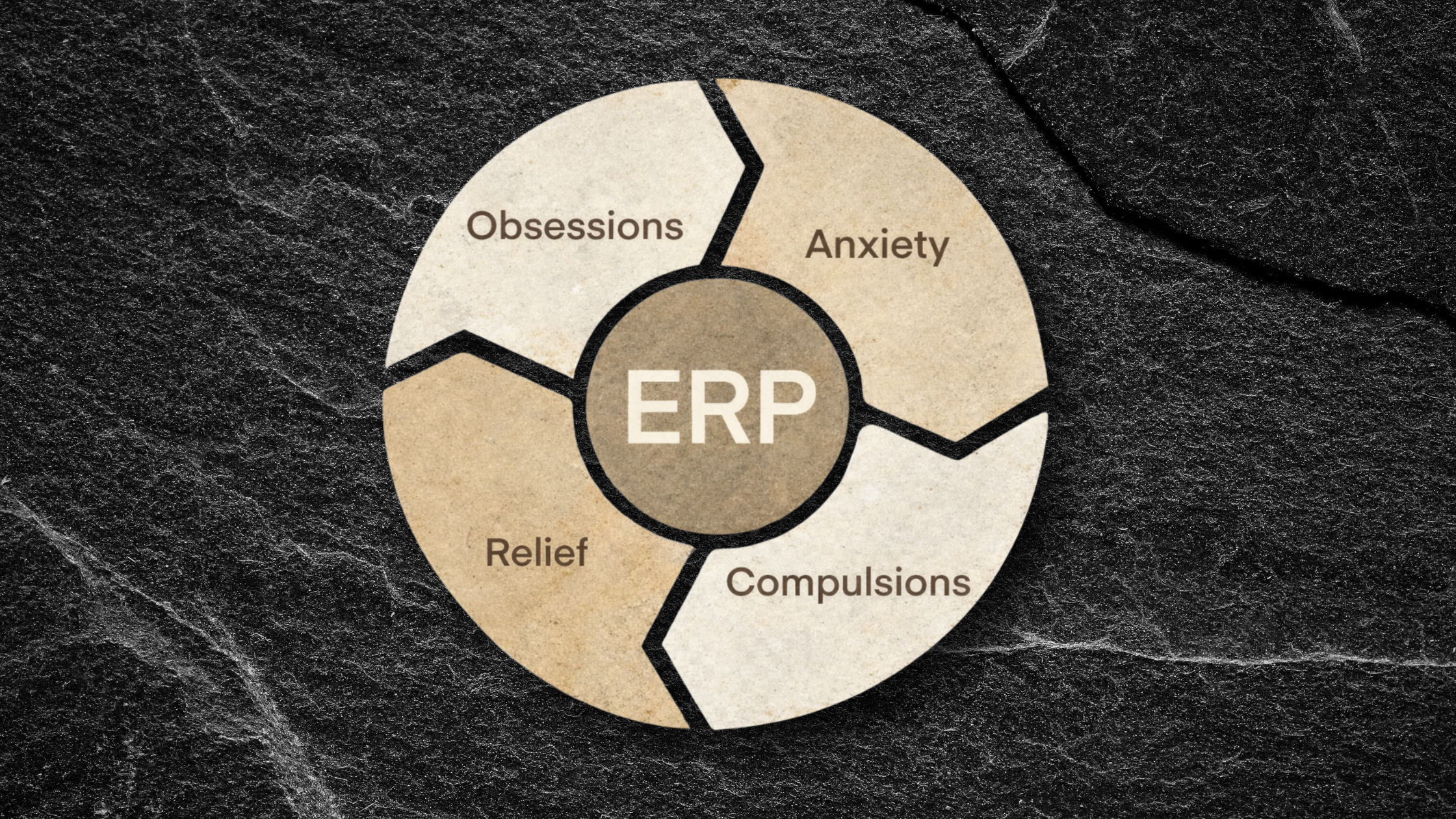
It works in part through habituation, or the practice of facing something that triggers fear, again and again in a safe way, until we eventually react less intensely. Over time, people with OCD, anxiety, or phobias begin to see that the thoughts, feelings, and situations they fear are more manageable than they expected. They learn that facing their fears doesn’t cause the terrible outcomes they imagine and that they can handle discomfort without turning to rituals or compulsions.
ERP has two main parts:
Exposure: Gently and intentionally facing the situations, thoughts, or sensations that trigger fear or obsessive urges.
Response prevention: Practicing new coping strategies so they can experience the trigger without falling into their usual compulsive behaviors.
ERP helps fracture the cyclical nature of the anxiety-driven cycle of OCD. With repetition, this process builds confidence, reduces anxiety, and breaks the cycle that keeps obsessions and compulsions going.
How is ERP like Friction-Maxxing for OCD and anxiety?
Friction-maxxing is the idea that in order to become more comfortable with friction, we must purposely and repeatedly expose ourselves to it. This is the same mechanism by which ERP works to treat OCD–by understanding what distressing emotions are laying underneath obsessive-compulsive cycles and helping clients build tolerance for such emotions. OCD is a form of anxiety, and anxiety is not an emotion–it’s a coping mechanism, one that helps us avoid feeling whatever emotions are bubbling underneath the surface of our anxiety. Anxiety keeps us immobilized, stagnant, reliant on ever-expanding avoidance in order for us to feel “safe.” But discomfort isn’t the same as danger!
Being able to tolerate distress (or any emotion–grief, fear, anger, even happiness) is essential to acknowledging one’s desires, making decisions, and moving toward the things they want in life. This is at the core of human existence: the capacity, and burden, of responsibility for our choices. Like plants need sunlight, humans need friction in order to grow and become self-actualized.
It’s not roughness, but rather, texture
Friction is a feature, not a bug, of the human experience. Whether it’s conflict with a lover or having to wait 20 minutes for the next bus, life is filled with inconvenience, tension, and difficulty. Even more than the bumpy road of everyday interactions, exposure to friction also allows us opportunities to overcome challenges and feel a sense of satisfaction, accomplishment, and growth. We experience a heightened sense of self-efficacy from each personal “win” and are more likely to pursue more novel experiences. In the times of artificial intelligence (AI) and ever-growing industries that profit off of our unwillingness, or even fear, of experiencing discomfort, we must hold on to friction as a major part of what makes us human.
*This does not apply to disabled folks who rely on technological “convenience” as an access need to live their daily lives!
Let’s Connect!
Anyone can invest their time and energy to develop a greater capacity to embrace friction and reap the benefits in the form of self-assuredness and autonomy.
If you’re curious about how implementing the friction-maxxing techniques of Exposure and Response Prevention can help you better address your OCD or anxiety - let’s talk about it!

My name is Caryn Sherbet (they/them) and I am a licensed psychotherapist based in Brooklyn, New York.
My boundary-expansive approach empowers my clients in overcoming challenges and embracing “otherness”.
I offer unique expertise in treating many conditions of the human experience, including:
OCD, anxiety, and/or rumination
Chronic illness and/or pain
LGBTQ+ Identity
Understanding relationship patterns and/or conflict
Sexual “dysfunction” and associated experiences
Self-conceptualization, meaning-making, and finding purpose
Read more about